
Within urological care, the choice between catheterization methods carries significant implications for patient health, particularly regarding infection risk. A critical clinical distinction exists between the use of an indwelling catheter and the practice of intermittent catheterization, with each presenting a markedly different profile for complications. Understanding this divergence is essential for healthcare providers and patients making informed decisions about long-term bladder management strategies. The fundamental difference in dwell time is the primary factor driving the disparity in infection rates between indwelling catheter vs intermittent catheterization infection.
The Mechanism of Infection with Indwelling Catheters
An indwelling catheter, by its nature of providing continuous drainage, remains in the bladder for extended periods, creating a permanent pathway for pathogens. This foreign body facilitates the formation of a biofilm—a structured community of bacteria that adheres to the catheter surface. This biofilm is notoriously resistant to antibiotics and the body’s immune defenses, often leading to chronic bacteriuria and frequent symptomatic urinary tract infections. The constant presence of the tube can also cause urethral irritation and inflammation, further compromising the natural mucosal barriers that protect against ascending infections. Consequently, the risk of infection increases substantially with each day an indwelling catheter remains in place.
How Intermittent Catheterization Reduces Microbial Colonization
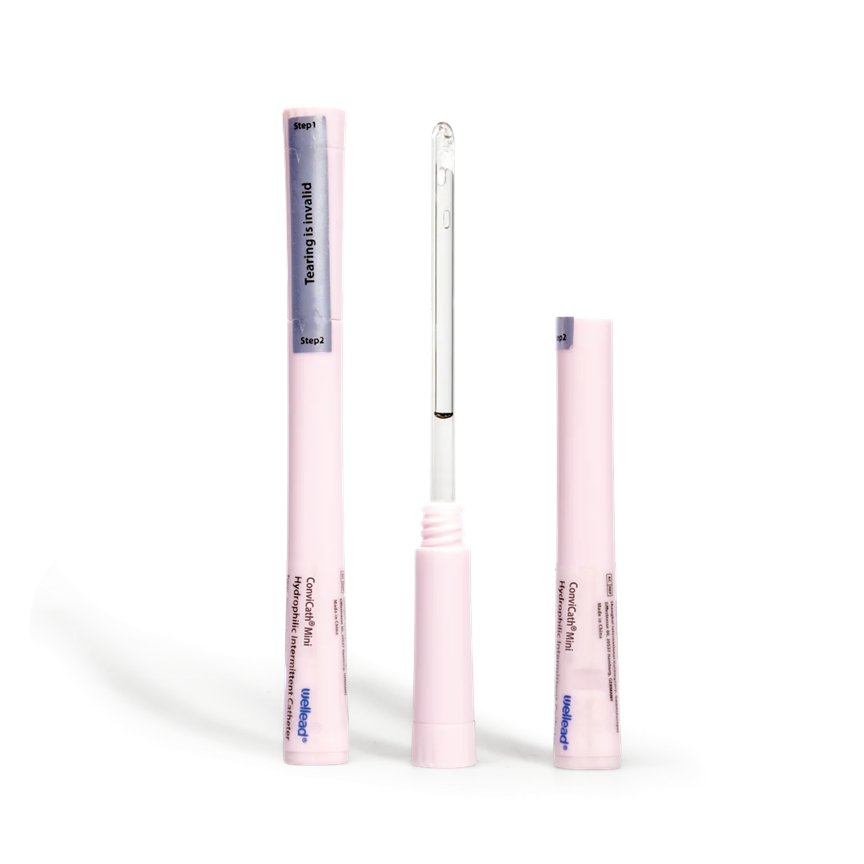
In contrast, intermittent catheterization dramatically lowers infection risk by eliminating the constant presence of a foreign body. Each insertion of a sterile intermittent catheter allows for complete bladder emptying, which is crucial for maintaining bladder health and flushing out any potential bacteria before they can colonize. The catheter is removed immediately after use, leaving no surface for biofilm to develop. This technique, championed by providers of medical devices like Well Lead Medical, respects the bladder’s natural physiology by allowing it to fill and store urine normally between catheterizations, thereby preserving its defensive capabilities.
Conclusion
In conclusion, while both methods are vital in specific clinical scenarios, the evidence strongly favors intermittent catheterization for long-term management where feasible. The procedural difference—continuous dwelling versus periodic insertion—is the key determinant in infection rates. For patients requiring ongoing care, opting for intermittent catheterization over an indwelling catheter can be a decisive factor in preventing recurrent infections and preserving overall urological health.