
ABS pipe fittings are widely used in plumbing and drainage systems across North America for their reliability and ease of installation. However, like any material, they can present certain challenges during installation and long-term use. LESSO America offers practical guidance and quality fittings designed to help contractors and engineers avoid common issues.
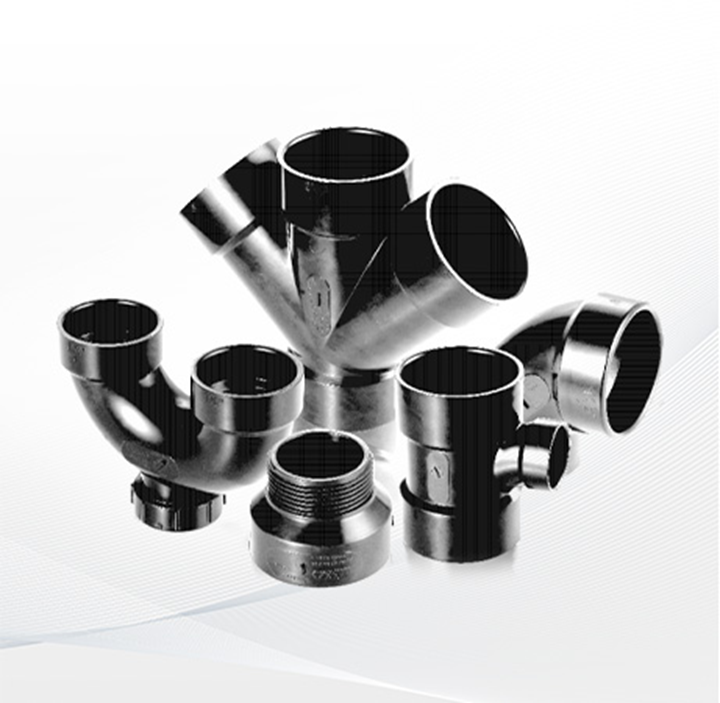
Typical Problems with ABS Pipe Fittings
One common challenge with ABS fittings involves improper sealing, which can lead to leaks. This often results from incorrect application of solvent cement or insufficient drying time before pressure testing. Another issue arises from misalignment of pipes and fittings, which can stress joints and increase the risk of cracks or breaks over time.
ABS fittings may also be vulnerable to damage from exposure to sunlight or harsh chemicals if not properly protected. Additionally, thermal expansion and contraction can cause stress on joints if the system is not designed with enough flexibility.
Preventive Measures for Better Performance
LESSO America emphasizes the importance of proper installation techniques to avoid these problems. Using the correct solvent cement and following recommended drying and curing times ensures a tight seal between fittings and pipes. Careful measurement and alignment during assembly help reduce stress on the system.
For outdoor applications, protecting ABS fittings from direct sunlight with insulation or shielding can prolong their lifespan. Incorporating expansion joints or flexible connectors can address movement caused by temperature changes, reducing wear on fittings.
Conclusion
Understanding common issues with ABS pipe fittings and taking preventive steps can improve the success of plumbing projects. LESSO America supports professionals in North America by providing high-quality fittings along with practical advice for installation and maintenance. By following best practices, contractors and engineers can minimize fitting-related problems and maintain reliable, efficient piping systems.