
In today’s fast-paced and urbanized world, managing space has become a significant challenge for individuals, families, and businesses alike. With homes becoming 迷你倉月租, businesses moving toward leaner operations, and people frequently on the move, the demand for extra space outside of traditional living and working environments has surged. This is where self-storage comes into play. Self-storage facilities provide individuals and organizations with secure, flexible, and convenient options for storing belongings, inventory, or equipment that may not fit comfortably in their primary spaces. Far from being just a temporary fix, self-storage has become an essential part of modern living and commerce, offering practical solutions to space limitations while ensuring accessibility and peace of mind.
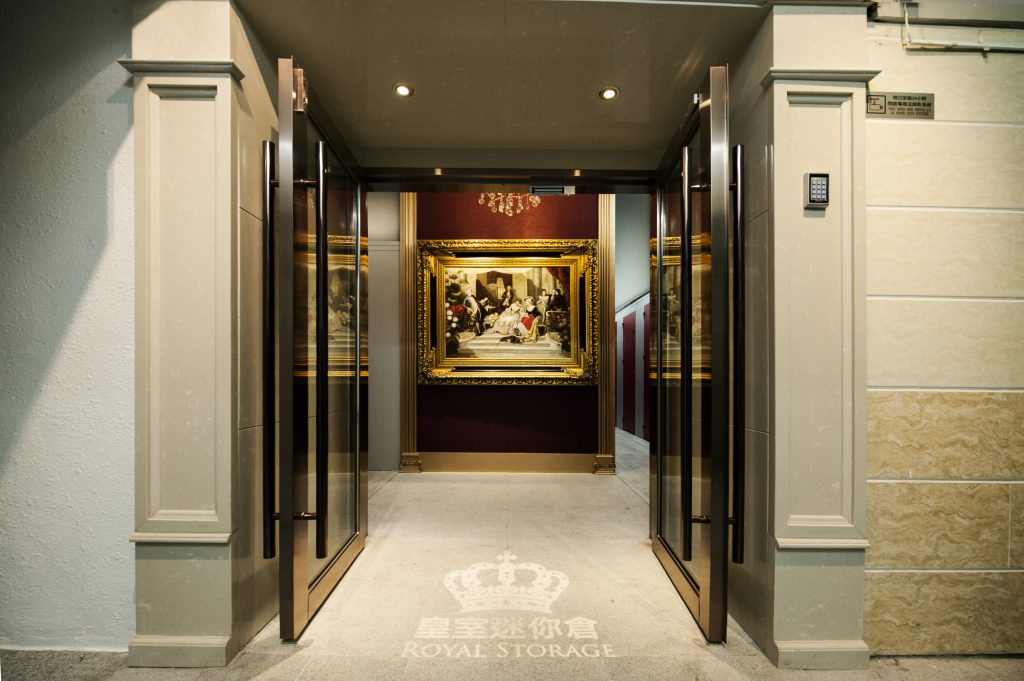
The concept of self-storage is relatively simple: customers rent a unit of a certain size in a secure facility and store their belongings there for as long as they need. These facilities are equipped with varying levels of security, such as CCTV monitoring, gated access, climate control, and round-the-clock staff presence, depending on the service provider. The flexibility is what makes it so appealing—rental agreements can often be short-term or long-term, catering to both temporary storage needs and ongoing requirements. For example, a college student may only need a small unit for the summer months while they are away from campus, whereas a business might rely on a larger unit for storing seasonal inventory throughout the year.
One of the main reasons people turn to self-storage is a lack of adequate space at home. As cities expand and property prices rise, living spaces are often smaller than in previous generations. Apartments in urban centers rarely provide generous storage options, leaving residents with little room for items they don’t use daily. Self-storage offers a practical solution for keeping sentimental belongings, seasonal decorations, or bulky sports equipment without cluttering the home. Additionally, families who are downsizing often find self-storage invaluable during the transition. Instead of making difficult decisions about discarding items immediately, they can use a storage unit to hold onto furniture, heirlooms, and other possessions until they have more clarity about their long-term needs.
Beyond residential use, self-storage has also proven indispensable for businesses. Small businesses, in particular, can benefit significantly from renting storage space. Instead of committing to a larger and more expensive office or warehouse, companies can use self-storage units to manage stock, store documents, or keep marketing materials safe. Retailers often rely on these facilities to handle seasonal fluctuations in demand, such as holiday merchandise or promotional displays. For contractors, tradespeople, and event planners, self-storage provides a secure hub for tools, equipment, and supplies that might otherwise take up valuable space at home or in a smaller workspace. This cost-effective solution allows businesses to remain agile without sacrificing efficiency.
Another valuable feature of many modern self-storage facilities is climate control. Certain belongings, such as antiques, artwork, electronics, or important documents, require protection from extreme temperatures and humidity. Climate-controlled units maintain stable conditions, ensuring sensitive items remain intact over time. This feature has expanded the use of self-storage beyond just keeping spare furniture and boxes—it has made it a viable option for storing valuable collections, archives, and even wine. This advancement demonstrates how self-storage has evolved into a professional and specialized industry, capable of addressing a wide range of storage needs.
Security is another critical aspect that has fueled the growth of the self-storage industry. Customers want assurance that their belongings are safe and protected. Facilities now commonly feature 24/7 surveillance, gated access with personalized codes, motion sensors, and on-site staff. These measures provide peace of mind, especially for those storing high-value items or business assets. In many cases, the security of a reputable self-storage facility exceeds what individuals can reasonably achieve in their own homes or offices, making it an attractive choice. Insurance options are also frequently available, adding another layer of protection for renters.
Convenience has played a huge role in the popularity of self-storage. Many facilities are located in easily accessible urban and suburban areas, allowing customers to retrieve or deposit items at their convenience. Some even offer drive-up units, enabling renters to load and unload directly from their vehicle. Flexible contracts, online reservations, and 24-hour access further contribute to a user-friendly experience. As lifestyles become busier and more mobile, this level of accessibility makes self-storage an appealing and practical service.
The rise of the self-storage industry also reflects cultural and lifestyle changes. For instance, mobility has increased in the workforce, with people relocating more often for job opportunities. Instead of selling or discarding all their possessions, individuals can keep their belongings safe in storage until they are settled in their new location. Similarly, minimalism and decluttering movements have encouraged people to live with fewer items in their immediate spaces, but that doesn’t always mean they are ready to part with possessions permanently. Self-storage allows them to enjoy a clutter-free environment without completely letting go of items that hold value.
Financially, self-storage offers a cost-effective option compared to alternatives such as upsizing to a larger property or leasing expensive commercial space. Renting a storage unit is often significantly cheaper than paying for additional square footage in a home or office. This affordability makes it accessible to a wide range of customers, from students and young professionals to families and established businesses. The industry has grown to meet these diverse needs, offering units in a variety of sizes, from locker-sized compartments to warehouse-like spaces, ensuring that customers pay only for what they require.
Looking ahead, the self-storage industry shows no signs of slowing down. With urban populations continuing to grow and lifestyles becoming more dynamic, the demand for flexible storage solutions is expected to rise further. Innovations in technology are also shaping the industry. Online booking systems, digital access controls, and even mobile apps for managing storage units are becoming increasingly common. Some facilities now offer value-added services such as package acceptance, moving assistance, and transportation options, further integrating self-storage into everyday life.
In conclusion, self-storage has evolved from a niche service to a mainstream necessity in today’s world. It bridges the gap between limited living or working space and the increasing volume of possessions and assets people want to preserve. Whether for personal or business use, self-storage provides flexibility, security, and affordability, making it an attractive solution for a wide variety of needs. As lifestyles continue to change and urbanization accelerates, the relevance of self-storage will only grow stronger, cementing its place as a cornerstone of modern convenience and practicality.