
Drainage promotion is an essential concept in modern urban planning, environmental management, and infrastructure development. It refers to the active encouragement, improvement, and awareness of effective drainage systems that manage surface water, wastewater, and stormwater efficiently. As cities expand and climate patterns become more unpredictable, the need for proper drainage promotion has become more important than ever 通渠公司. Without well-planned drainage systems, communities face risks such as flooding, waterlogging, soil erosion, and public health hazards.
At its core, drainage promotion involves raising awareness about the importance of proper water management systems. Many people do not realize how critical drainage infrastructure is until problems occur. Blocked drains, overflowing sewage systems, and stagnant water can quickly lead to serious damage to homes, roads, and public spaces. Through drainage promotion, authorities and organizations educate communities about maintaining drainage systems and supporting infrastructure development that prevents such issues.
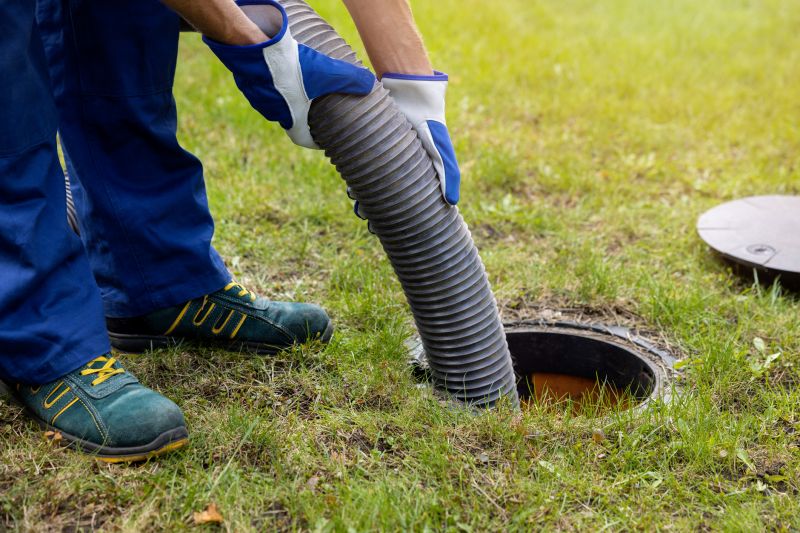
One of the key goals of drainage promotion is to encourage regular maintenance of drainage systems. Over time, drains can become clogged with debris such as leaves, plastic waste, grease, and sediment. When this happens, water flow is restricted, leading to backups and flooding during heavy rainfall. Promoting routine cleaning and inspection helps prevent these problems before they escalate. Local governments, drainage companies, and environmental agencies often run campaigns to educate property owners about their responsibilities in maintaining clear drainage channels.
Drainage promotion also plays a vital role in sustainable urban development. As cities grow, natural land surfaces are replaced with concrete, asphalt, and buildings, which reduce the ground’s ability to absorb rainwater. This increases surface runoff and puts pressure on drainage systems. By promoting sustainable drainage solutions, such as permeable pavements, green roofs, and rainwater harvesting systems, planners can reduce the risk of flooding and improve water management efficiency. These environmentally friendly approaches are becoming increasingly important in modern city planning.
Another important aspect of drainage promotion is flood prevention. Flooding is one of the most common and destructive natural disasters affecting urban and rural areas alike. Poor drainage systems often worsen the impact of heavy rainfall or storms. Through awareness campaigns and infrastructure investment, drainage promotion helps communities understand how proper systems can significantly reduce flood risks. This includes designing better stormwater channels, improving river drainage, and ensuring that urban drainage networks are capable of handling extreme weather conditions.
Public health is closely linked to effective drainage systems, making drainage promotion a critical part of health and safety initiatives. Poor drainage can lead to stagnant water, which becomes a breeding ground for mosquitoes and other disease-carrying insects. It can also result in contamination of drinking water sources and the spread of waterborne diseases. By promoting proper drainage practices, health authorities can reduce the risk of outbreaks and improve overall community well-being. Clean and efficient drainage systems are essential for maintaining hygienic living conditions.
Education is a major component of drainage promotion. Schools, community organizations, and government agencies often conduct programs to teach people about the importance of water management. These programs may include workshops, public seminars, and informational campaigns that highlight simple actions individuals can take, such as disposing of waste properly and avoiding the blockage of drains. When communities are well-informed, they are more likely to support and participate in drainage improvement initiatives.
Drainage promotion also encourages the use of modern technology in water management systems. Advanced monitoring tools, such as sensors and automated control systems, can detect blockages, measure water flow, and identify potential risks in real time. These technologies allow authorities to respond quickly to issues and maintain efficient drainage networks. Promoting the adoption of such technologies helps improve system reliability and reduces maintenance costs in the long run.
Environmental protection is another key benefit of drainage promotion. Poor drainage systems can lead to soil erosion, water pollution, and damage to natural ecosystems. When rainwater carries pollutants from urban areas into rivers and lakes, it can harm aquatic life and disrupt ecological balance. By promoting environmentally responsible drainage solutions, such as natural water filtration systems and sustainable drainage designs, communities can reduce their environmental footprint and protect natural resources.
In industrial and commercial areas, drainage promotion is equally important. Factories, warehouses, and business complexes generate large amounts of wastewater and surface runoff. Without proper drainage systems, these areas can experience operational disruptions and environmental violations. Promoting compliance with drainage regulations ensures that businesses implement proper systems for waste disposal and water management. This not only protects the environment but also supports efficient business operations.
Drainage promotion also involves collaboration between multiple stakeholders. Governments, private companies, engineers, urban planners, and community members all play a role in developing and maintaining effective drainage systems. Coordinated efforts are necessary to ensure that infrastructure projects are well-designed and properly implemented. Public-private partnerships often help fund and manage large-scale drainage projects, ensuring long-term sustainability and efficiency.
Climate change has made drainage promotion even more critical in recent years. Rising sea levels, increased rainfall intensity, and unpredictable weather patterns are putting additional pressure on existing drainage systems. Many cities are now re-evaluating their infrastructure to adapt to these changes. Drainage promotion initiatives encourage investment in resilient systems that can withstand extreme weather conditions and protect communities from climate-related risks.
Cost savings are another important advantage of drainage promotion. Preventing drainage problems is often much cheaper than repairing damage caused by flooding or system failures. Regular maintenance, public awareness, and early intervention can significantly reduce repair costs and infrastructure damage. By promoting proactive drainage management, governments and property owners can avoid unnecessary expenses and improve long-term financial planning.
Urban aesthetics and quality of life are also improved through effective drainage systems. Flooded streets, unpleasant odors, and standing water can negatively impact the appearance and livability of a city. Proper drainage ensures clean, dry, and safe public spaces, enhancing the overall environment for residents and visitors. Drainage promotion helps communities understand the connection between infrastructure quality and daily living conditions.
In conclusion, drainage promotion is a vital aspect of modern infrastructure development, environmental protection, and public health. It involves raising awareness, encouraging maintenance, adopting sustainable practices, and investing in advanced technologies to ensure efficient water management. As urbanization continues to expand and climate challenges increase, the importance of drainage promotion will only grow. By supporting and implementing effective drainage strategies, communities can reduce risks, protect the environment, and create safer, healthier, and more sustainable living spaces for the future.