
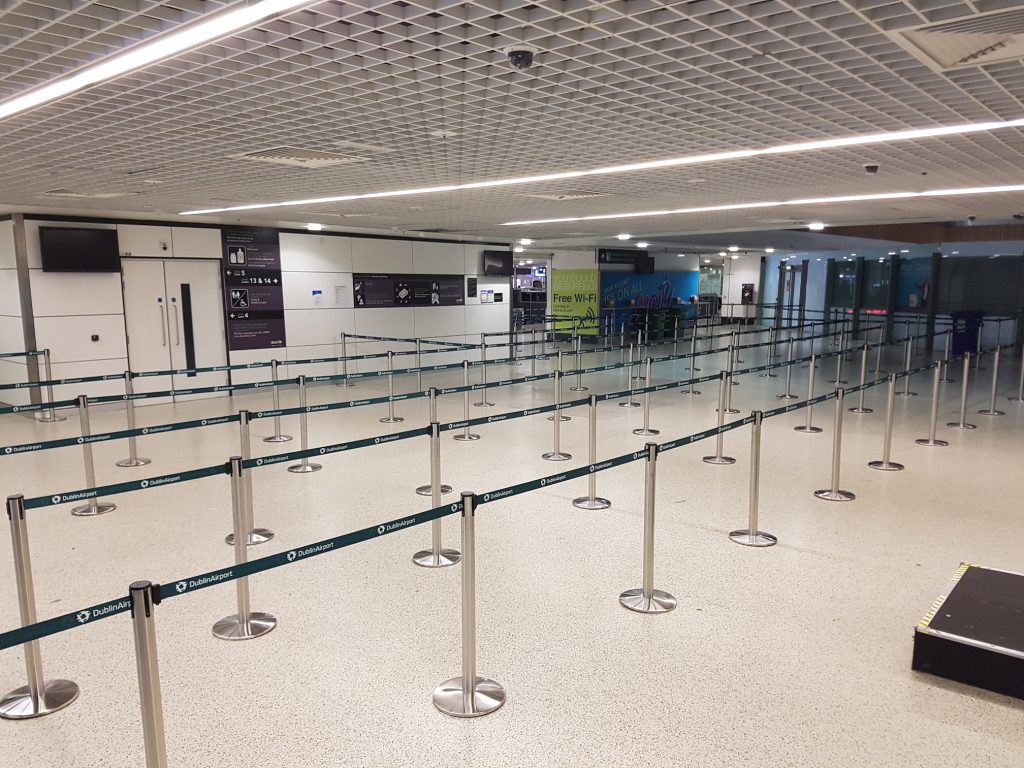
A queuing post is a simple yet highly effective tool used to organize crowds, manage waiting lines, and guide people in an orderly manner within public and private spaces. It is commonly seen in airports, banks, hospitals, event venues, retail stores, and service centers where large numbers of people need to be served in a structured way 排隊柱. By creating clear pathways and boundaries, queuing posts help maintain order, reduce confusion, and improve the overall experience for both customers and staff.
The primary purpose of a queuing post is to control the flow of people. In busy environments, unorganized crowds can quickly lead to chaos, delays, and frustration. Queuing posts solve this problem by forming designated lines that guide individuals to wait in a systematic manner. This ensures fairness, as people are served in the order they arrive, and it prevents overcrowding at service counters or entry points. The simple visual structure of posts connected by ropes or belts makes it easy for people to understand where to stand.
Queuing posts are widely used in customer service environments where efficiency and order are essential. For example, in banks, customers need to wait for their turn to speak with a teller or representative. Without proper queue management, this process could become disorganized and stressful. Similarly, in airports, queuing posts are used during check-in, security screening, and boarding processes to manage the large flow of passengers efficiently. These systems help reduce waiting confusion and improve operational efficiency.
One of the key benefits of queuing posts is their ability to improve customer experience. Waiting in line is often seen as a negative experience, but a well-organized queue can make the process feel smoother and more manageable. Clear pathways reduce uncertainty and help individuals understand where they need to go. This sense of order can significantly reduce frustration, especially in high-traffic environments where waiting times may be unavoidable.
Queuing posts also play an important role in safety management. In crowded environments, uncontrolled movement of people can lead to accidents, pushing, or stampedes. By guiding foot traffic into structured lines, queuing posts help prevent overcrowding and ensure that movement remains controlled. This is especially important in emergency situations or during large public events where maintaining order is critical for safety.
The design of a queuing post is both simple and functional. Typically, it consists of a vertical pole connected to a retractable belt or rope that links to another post. These belts can be extended or retracted as needed, allowing for flexible queue configurations. Some modern designs also include signage holders or digital display options to provide additional information to people in the queue. Materials used for queuing posts often include stainless steel, aluminum, or durable plastic to ensure long-lasting performance.
Flexibility is one of the major advantages of queuing post systems. They can be easily arranged, rearranged, or removed depending on the needs of the space. This makes them ideal for temporary setups such as exhibitions, conferences, or events where crowd flow changes frequently. Event organizers often use queuing posts to manage ticketing lines, entry gates, and VIP sections, ensuring smooth coordination throughout the event.
In retail environments, queuing posts are essential for managing checkout lines. Supermarkets, department stores, and shopping centers use them to guide customers toward payment counters in an organized manner. This helps reduce confusion during peak hours and ensures that customers are served efficiently. A well-managed queue system can also improve customer satisfaction and reduce perceived waiting time.
Queuing posts are also commonly used in healthcare facilities. Hospitals and clinics often experience high patient traffic, especially in emergency departments and outpatient services. By using queuing posts, healthcare providers can organize patient flow, prioritize urgent cases, and reduce overcrowding in waiting areas. This contributes to a more structured and less stressful environment for both patients and medical staff.
Another important application of queuing posts is in entertainment and leisure venues. Cinemas, amusement parks, and concert venues rely heavily on queue management systems to handle large crowds. These posts help guide visitors to ticket counters, entry points, and attractions in an orderly fashion. Without such systems, managing large groups of people would be significantly more challenging and chaotic.
Queuing posts also contribute to brand image and professionalism. In commercial settings, a well-organized queue system reflects efficiency and attention to customer experience. Businesses that invest in proper crowd management tools often create a more positive impression on customers. The appearance of the posts themselves can also be customized to match branding, with different colors, finishes, or logo placements enhancing visual identity.
In addition to physical organization, queuing posts help improve time management. By clearly defining where people should stand and how they should move, they reduce unnecessary confusion and movement. This allows staff to focus on serving customers rather than managing disorder. As a result, service processes become faster and more efficient, benefiting both employees and visitors.
Modern innovations have further enhanced the functionality of queuing post systems. Some advanced versions are integrated with digital queue management systems that provide real-time updates on waiting times or service status. Others include automated ticketing systems that assign queue numbers electronically. These developments combine physical crowd control with digital efficiency, creating a more seamless experience.
Despite their simplicity, queuing posts are highly effective in improving organizational flow. Their presence often goes unnoticed when functioning well, yet they play a crucial role in maintaining order in busy environments. Without them, many public and commercial spaces would struggle to manage crowds effectively, leading to inefficiency and dissatisfaction.
Maintenance of queuing posts is relatively easy, which adds to their practicality. Regular cleaning and occasional inspection ensure that belts, ropes, and posts remain in good condition. Because they are designed for frequent use, high-quality models are built to withstand constant movement and handling without losing functionality.
In conclusion, queuing posts are essential tools for managing crowds, improving safety, and enhancing service efficiency in a wide range of environments. From airports and hospitals to retail stores and event venues, they provide structure and order in situations where large groups of people need to be guided effectively. Their simplicity, flexibility, and functionality make them a vital component of modern crowd management systems, contributing to smoother operations and better overall experiences for everyone involved.